


Top Sellers
Original Miracle Mouthwash


Original Miracle Mouthwash
Regular price
From $6.00 USD
Sale price
From $6.00 USD
Regular price
Peppermint Toothpaste


Peppermint Toothpaste
Regular price
From $4.00 USD
Sale price
From $4.00 USD
Regular price
Remineralization Liquid for Tooth Enamel (1 fl oz)


Remineralization Liquid for Tooth Enamel (1 fl oz)
Regular price
$12.00 USD
Sale price
$12.00 USD
Regular price
All Natural Tooth Powder
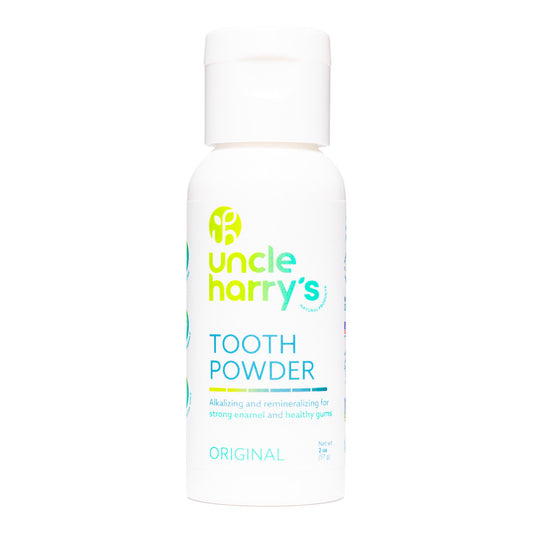

All Natural Tooth Powder
Regular price
From $4.50 USD
Sale price
From $4.50 USD
Regular price
Spearmint Toothpaste


Spearmint Toothpaste
Regular price
From $4.00 USD
Sale price
From $4.00 USD
Regular price
Cinnamon Toothpaste


Cinnamon Toothpaste
Regular price
From $4.00 USD
Sale price
From $4.00 USD
Regular price
Mild Mint Toothpaste


Mild Mint Toothpaste
Regular price
From $4.00 USD
Sale price
From $4.00 USD
Regular price
Tooth and Gum Elixir
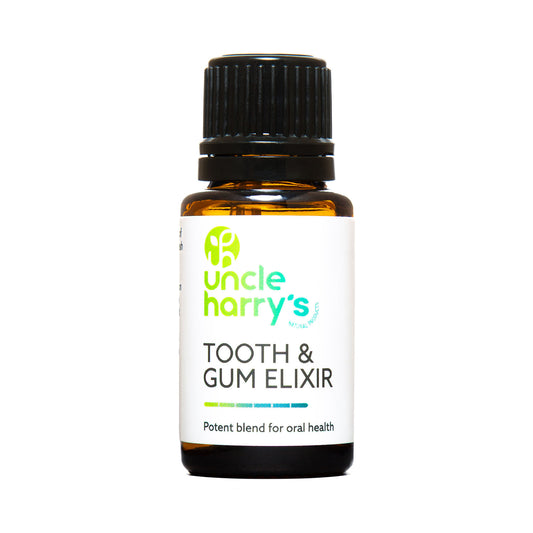
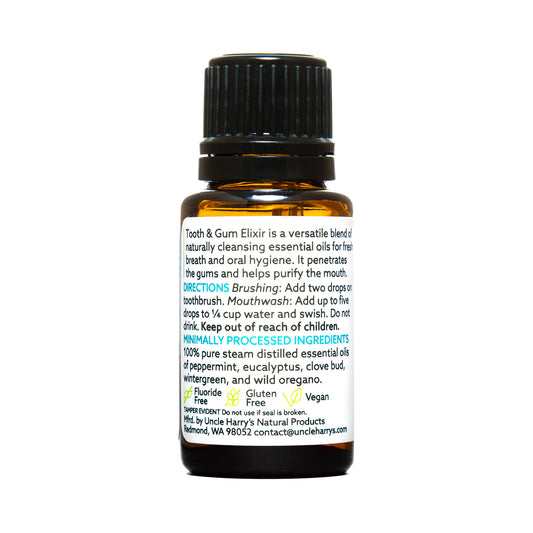
Tooth and Gum Elixir
Regular price
From $8.00 USD
Sale price
From $8.00 USD
Regular price
Where Nature Meets Science
Our formulas are firmly grounded in biology, mineral science, and traditional knowledge such as Ayurveda. Discover why each ingredient is carefully chosen to support oral ecology, skin integrity, scalp vitality, and whole-body balance.

The Problem With Glycerin in Toothpaste
Glycerin shows up in almost every conventional toothpaste, and at first glance, it seems completely harmless. It keeps toothpaste smooth, prevents it from drying out, and gives it that familiar, slightly sweet taste. From a manufacturing standpoint, it makes perfect sense.
But when you shift the question from “Does this make a good toothpaste?” to “Does this support how teeth actually function?”, the conversation starts to change.
What Glycerin Actually Is
Glycerin, also called glycerol, is a simple compound:
C₃H₈O₃
It belongs to a class of substances known as humectants, meaning it attracts and holds water. In plain language, it keeps things from drying out. That’s why it’s used in toothpaste. It keeps the paste moist, stable, and easy to use. But it’s important to understand that glycerin is there for the product, not for your teeth. It doesn’t strengthen enamel, it doesn’t supply minerals, and it doesn’t help regulate the chemistry of the mouth. It’s there to make the toothpaste behave nicely, not to make your teeth healthier.
How Teeth Maintain Themselves
Teeth are often thought of as fixed, lifeless structures, but that’s not really how they work. Enamel is constantly interacting with the environment of the mouth. Minerals move in and out of the tooth surface throughout the day in a quiet balancing act. Scientists call this dynamic mineral equilibrium. In everyday terms, your teeth are always being slightly worn down and slightly rebuilt at the same time.
Saliva plays the central role in this process. It carries calcium and phosphate, neutralizes acids, and helps create the conditions where enamel can repair itself. If everything is working well, your mouth is not just cleaning your teeth, it is maintaining them.
Why Surface Contact Matters
For this repair process to happen, saliva needs direct access to the enamel surface. At a microscopic level, enamel is not perfectly smooth. It contains tiny pathways that allow minerals to move in and out. You can think of it less like glass and more like a dense, mineral sponge. This means that enamel depends on contact. Minerals in saliva have to physically reach the tooth surface to do their job. If that contact is reduced, even slightly, the efficiency of this natural repair system can change.
Where Glycerin Enters the Picture
Glycerin has a smooth, slightly adhesive quality. It spreads easily and tends to remain on surfaces, which is part of what gives toothpaste its pleasant texture. The question is not whether glycerin creates a dramatic barrier, but whether it fully aligns with how enamel maintains itself.
Enamel depends on direct interaction with saliva for mineral exchange. This exchange happens at the surface, where calcium and phosphate ions move in and out as part of the natural repair process. For that process to work efficiently, contact matters.
Glycerin is not known to actively support this exchange. It does not provide minerals, does not buffer acids, and does not participate in remineralization. Its role is functional, not biological. Some have suggested that glycerin may leave a thin film on the teeth after brushing. While there is no strong clinical evidence showing that such a film significantly blocks remineralization, the idea raises a reasonable consideration. If enamel relies on open interaction with saliva, then any ingredient that alters that interaction, even slightly, is worth examining.
In simple terms, the question is not whether glycerin is harmful, but whether it is helping. And when viewed through the lens of enamel biology, its contribution appears neutral at best.
Is This a Proven Problem?
This is where things require some honesty and nuance. There is no universal agreement that glycerin blocks remineralization. You can brush with glycerin-based toothpaste and still have healthy teeth. Millions of people do. But the question being asked is a different one. Not “Does it work at all?”, but “Is it working in the most supportive way possible?”
If enamel depends on efficient mineral exchange, and if glycerin slightly reduces that exchange, then even a small interference could matter when repeated day after day, year after year. In simple terms, it may not stop the system, but it may not fully support it either.
What Glycerin Contributes (and Doesn’t)
Glycerin improves the user experience of toothpaste, but it does not actively support oral health.
It does not provide calcium or phosphate.
It does not neutralize acids.
It does not help regulate oral bacteria.
It does not participate in enamel repair.
It is a functional ingredient, not a biological one.
That distinction is easy to overlook, but it matters when you start thinking about long-term oral health as a system rather than a surface.
Tooth Decay Is a System Problem
Cavities are not simply holes that appear out of nowhere. They are the result of an ongoing imbalance. When oral bacteria break down sugars and refined carbohydrates, they produce acids. These acids lower the pH in the mouth and pull minerals out of enamel. Saliva works to reverse this by neutralizing acids and supplying minerals to rebuild the tooth. Therefore, dental health depends on which side wins more often.
This is why oral care is not just about cleaning. It is about maintaining a stable environment where remineralization can keep up with demineralization. Anything that supports that balance helps. Anything that interferes with it, even subtly, deserves a closer look.
A Different Way to Think About Toothpaste
Most modern toothpaste is designed with texture, shelf life, and immediate feel in mind. That is not inherently wrong, but it does not always align with how the mouth naturally works. An alternative approach is to ask a different question. Instead of “How can we make this product feel better?”, the question becomes “How can we support the environment of the mouth?” That shift leads to different choices. Ingredients that provide minerals, support pH balance, and work with saliva begin to matter more than ingredients that simply improve consistency. In that context, glycerin becomes less essential.
The Bigger Picture
No single ingredient determines the health of your teeth. Saliva flow, diet, frequency of sugar intake, mineral availability, and oral microbiome balance all play major roles. Toothpaste is just one piece of a much larger system. But small, repeated influences add up. What you use every day should ideally support the natural processes your body already relies on.
So What Is the Real Concern?
The concern with glycerin is not that it is dangerous. It is that it may not fully align with how enamel maintains itself. Teeth depend on constant interaction with saliva. If an ingredient introduces even a slight barrier to that interaction, it raises a reasonable question about long-term efficiency. In simple terms, if your teeth are designed to exchange minerals freely, it makes sense to avoid anything that might slow that exchange down.
The Bottom Line
Glycerin makes toothpaste smooth, stable, and pleasant to use. But it does not contribute to enamel health, and it may, in theory, interfere with the natural interaction between teeth and saliva. Healthy teeth are not built by coatings or quick fixes. They are maintained by a balanced environment where minerals, pH, and biology all work together. The real question is not whether glycerin works, but whether it works in harmony with that system.

Why Calcium Carbonate Matters for Enamel Health
Calcium carbonate does more than clean teeth. It supports enamel by helping maintain mineral balance, buffering acids, and gently polishing without disruption, creating the conditions needed for natural remineralization and long term tooth health.

What Oregano Oil Does in Oral Care (And Why It’s So Powerful)
Oregano oil is a powerful natural ingredient in oral care thanks to its antimicrobial, antioxidant, and anti-inflammatory properties. It helps control harmful bacteria linked to plaque and gum irritation while supporting a balanced oral environment where teeth and gums can stay healthy.