


A Different Kind of Toothpaste
Real ingredients. Real benefits. Really delicious.
Top Sellers
Bliss Mint Toothpaste - Lightly Sweet (3 oz glass jar)


NEW
Bliss Mint Toothpaste - Lightly Sweet (3 oz glass jar)
Regular price
$10.00 USD
Sale price
$10.00 USD
Regular price
Orange Blossom Toothpaste - Lightly Sweet (3 oz glass jar)


NEW
Orange Blossom Toothpaste - Lightly Sweet (3 oz glass jar)
Regular price
$10.00 USD
Sale price
$10.00 USD
Regular price
Cinnamon Miracle Mouthwash


NEW
Cinnamon Miracle Mouthwash
Regular price
From $6.00 USD
Sale price
From $6.00 USD
Regular price
Original Miracle Mouthwash


Original Miracle Mouthwash
Regular price
From $6.00 USD
Sale price
From $6.00 USD
Regular price
Peppermint Toothpaste


Peppermint Toothpaste
Regular price
From $4.00 USD
Sale price
From $4.00 USD
Regular price
Remineralization Liquid for Tooth Enamel (1 fl oz)


Remineralization Liquid for Tooth Enamel (1 fl oz)
Regular price
$12.00 USD
Sale price
$12.00 USD
Regular price
All Natural Tooth Powder
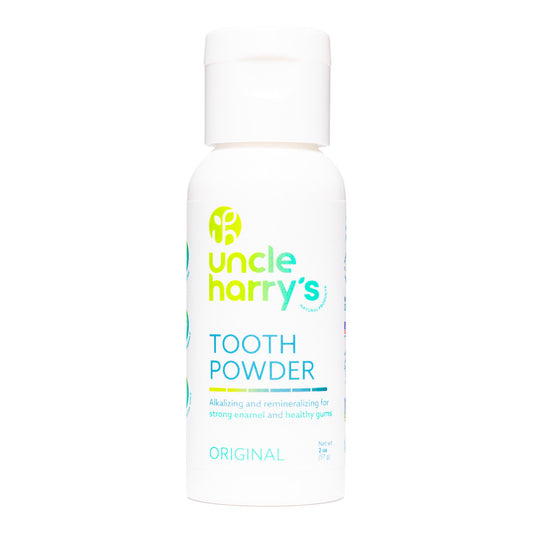

All Natural Tooth Powder
Regular price
From $4.50 USD
Sale price
From $4.50 USD
Regular price
Spearmint Toothpaste


Spearmint Toothpaste
Regular price
From $4.00 USD
Sale price
From $4.00 USD
Regular price
Our Customers Are Saying...
Where Nature Meets Science
Our formulas are firmly grounded in biology, mineral science, and traditional knowledge such as Ayurveda. Discover why each ingredient is carefully chosen to support oral ecology, skin integrity, scalp vitality, and whole-body balance.

Essential Oils in Oral Care: Synergy vs. Single Ingredients
Modern oral care often focuses on one active ingredient. Traditional herbal systems took a different approach, combining botanicals to create synergy. Discover why essential oil blends have remained a cornerstone of natural oral care for centuries.

“Natural Flavors” in Toothpaste: What Are You Actually Brushing With?
Most consumers assume “natural flavors” in toothpaste come directly from real fruits or plants, but the reality is often far more complex. This article explores what “natural flavor” actually means, why companies are not required to disclose the ingredients behind those flavor systems, and how real essential oils differ from engineered flavor blends. Learn why Uncle Harry’s chooses recognizable ingredients like coconut oil and cardamom essential oil instead of hidden proprietary flavors.

From Ayurveda to Oral Care: Why Cardamom Still Matters
Cardamom has been used for thousands of years to freshen breath and support oral wellness, from traditional Ayurvedic practices to modern botanical oral care. This article explores how cardamom essential oil contributes more than just flavor, including its naturally occurring aromatic compounds that have been studied for antimicrobial, antioxidant, and soothing properties. Learn why our new Coco Cardamom Toothpaste combines cardamom essential oil with mineral-rich ingredients and complementary botanicals for a balanced, naturally refreshing oral care experience.